By EDITORIAL STAFF • October 3, 2026 • 12958 Views • No Comments
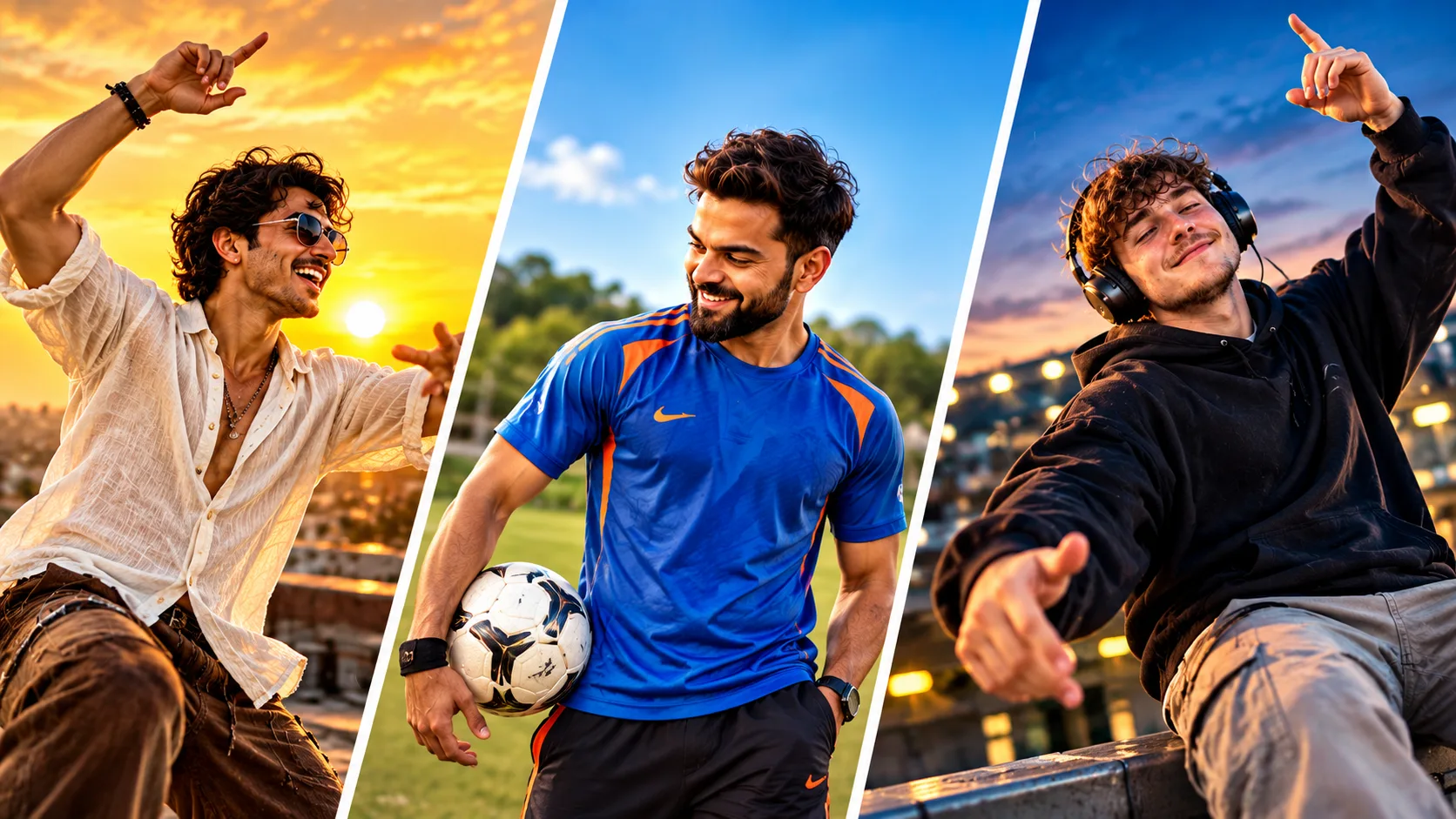
I recently tried creating a funny dance video using AI, and the idea is actually quite simple. Instead of recording a complete dance video yourself, you can use an image of a person and turn it into a short AI-generated dance scene.
The interesting part is that you can create different dance styles, funny movements, and entertaining expressions while keeping the overall appearance of the person recognizable.
How to Create a Funny Dance Video With AI
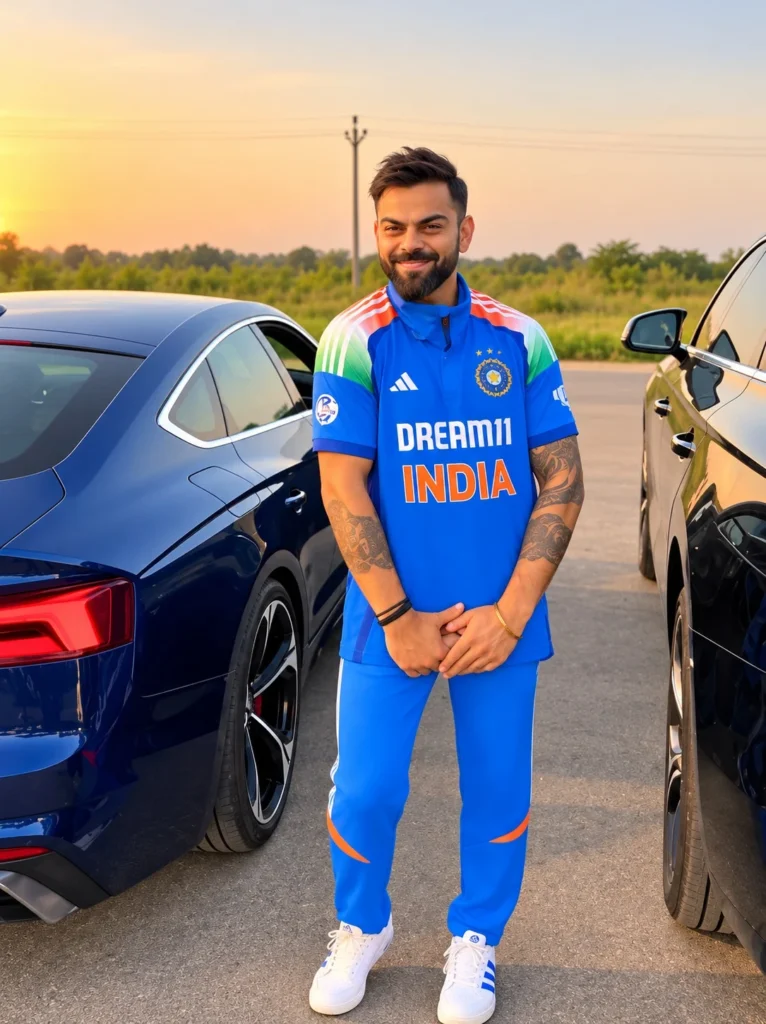
First, you need a clear photo of the person you want to use. If you're editing a celebrity or another real person, make sure you have the right to use their image and don't present the generated video as something they actually did.
Upload the image to an AI video tool that supports image-to-video generation. From there, you can describe the type of dance and movement you want.
For example, you can create a funny Bollywood-style dance, an exaggerated celebration, or a simple entertaining dance suitable for a short Reel.
Make the Dance Look Natural
The movement is one of the most important parts of the video.
Instead of adding extremely fast or complicated movements, start with simple actions such as:
Moving the arms
Turning the body
Taking a few dance steps
Nodding to the beat
Adding funny facial expressions
Simple movements can produce a more believable result and reduce problems with the face, hands, and body.
Add Music During Editing
After generating the video, you can add suitable music or sound effects during the editing stage.
A funny sound effect or currently licensed/trending audio can completely change the feeling of the clip and make the dance more entertaining.
You can also add captions or short text to give the video a meme-style presentation.
✨ AI PROMPT
Use the uploaded reference video as the PRIMARY visual and motion reference. Recreate the video as closely as
possible to the reference video, matching its exact shot structure, timing, pacing, camera movement, framing, subject
movement, gestures, facial expressions, environment, lighting, transitions, motion blur and overall cinematic style. Do
not reinterpret the sequence or create a different composition.
REFERENCE VIDEO MATCHING: Follow the reference video’s visual choreography shot-by-shot. Preserve the
same sequence of actions, approximate duration of every shot, camera angles, camera distance, lens perspective,
handheld movement, whip-pan direction, subject entrances/exits, body movements, gestures, facial expressions,
background placement, lighting changes and transitions. The result should feel like the same video was recreated
rather than a new video inspired by it.
SHOT 1 — opening: Recreate the exact opening composition and subject positioning from the reference. Match the
subject’s body posture, dancing rhythm, hand gestures, facial expression, camera distance and handheld movement.
Preserve the same sunset/golden-hour environment, background vehicles, dusty ground, warm backlight and lens
flare.
SHOT 2 — fast movement transition: Reproduce the reference video’s exact rapid camera movement/whip-pan.
Match the direction, speed, camera rotation, distance from the subject and amount of natural motion blur. The
transition must feel like a real handheld camera movement, not a digital transition.
SHOT 3 — second character reveal: Recreate the exact framing and timing of the second character appearing after
the whip-pan. Match the character’s position relative to the camera, body movement, hand gesture, head movement,
facial expression, sunglasses, clothing appearance and wide-angle perspective. Keep the same background and
sunset lighting as visible in the reference.
SHOT 4 — rapid camera movement: Match the reference’s quick camera movement away from the second
character, including camera direction, speed, framing and motion blur. Briefly reveal the same type of roadside
environment and parked vehicles before the next reveal.
SHOT 5 — final close-up: Recreate the exact final close-up composition from the reference. Match the camera
distance, face position, head angle, eye direction, facial expression, hairstyle, glasses, clothing, lighting and shallow
depth of field. Preserve the same deadpan/comedic feeling and timing of the final look toward the camera.
CAMERA: Match the reference video precisely — vertical 9:16, handheld smartphone-camera aesthetic, wide-angle
perspective where present, natural camera shake, realistic rolling-shutter distortion, authentic motion blur, rapid
camera movements and imperfect framing.
LIGHTING: Match the reference video’s golden-hour sunset lighting, warm highlights, backlight/rim light, natural
shadows, atmospheric haze and lens flare. Do not introduce studio lighting or a different time of day. MOTION: Prioritize natural human movement and reproduce the reference timing and choreography. Do not add
extra actions, poses, camera moves or slow motion that are not present in the reference.
EDITING: Preserve the same shot order, pacing, cuts and transitions as the reference. The final video should have
the same rhythm and comedic timing.
REALISM: Photorealistic, natural skin texture, realistic anatomy, physically accurate clothing movement, realistic
facial expressions, natural environmental lighting, cinematic but authentic smartphone footage.
IMPORTANT: The uploaded reference video is the source of truth for the visual sequence. Do not make a loose
interpretation. Recreate the reference as closely as the model allows, including composition, movement, timing,
camera behavior and transitions.
Output: 9:16 vertical, same overall duration as the reference, highly realistic cinematic Instagram Reel.
Agar tum reference video ke characters ko apni uploaded image wale person se replace karna chahte ho, to prompt
ke beginning mein ye line bhi add kar dena:
Use my uploaded character/image as the identity reference, but keep the reference video’s exact choreography,
camera movement, shot composition, timing and transitions. Replace only the character identity/appearance while
preserving everything else from the reference
Check the Final Video
Before posting, watch the entire clip carefully. Check the face, hands, body movements, clothing, and background for anything that looks unusual.
If you're using a celebrity's likeness, it's also a good idea to clearly indicate that the video is AI-generated so viewers don't mistake it for genuine footage.
Final Words
That's it! Celebrity funny dance AI video editing can turn a normal photo into an entertaining short video with very little manual editing.
Advertisement
The best results usually come from keeping the dance simple, using a clear image, and checking the generated footage before sharing it. You can experiment with different dance styles, expressions, backgrounds, and editing effects to create your own funny AI videos.
Eliza is a content writer who has a passion for exploring different genres of literature and music. Her professional expertise lies in the field of India geopolitics and technology relations. She has a keen eye for detail and a natural ability to distill complex ideas into simple, easy-to-understand language.




Leave a Reply