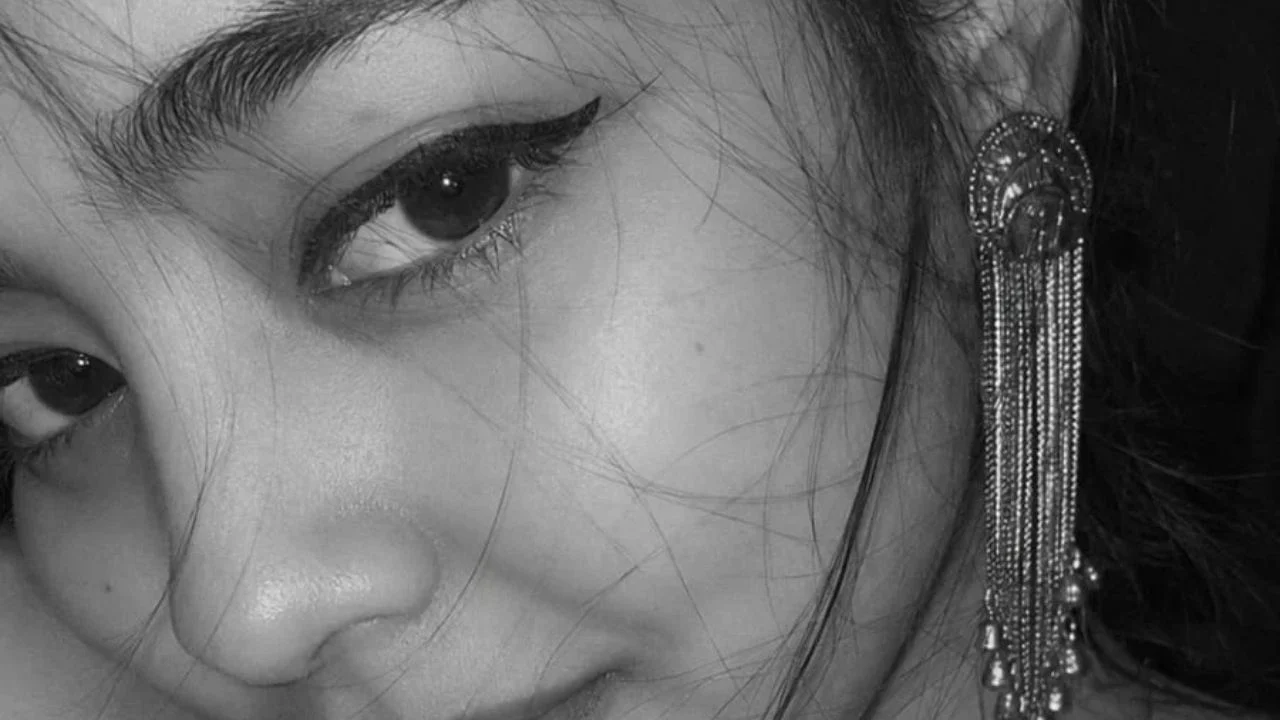
Colorful backgrounds and cinematic lighting usually get all the attention in AI photo editing. But sometimes, removing the colors completely makes a photo look even more beautiful.
That's exactly the idea behind the Black and White Desi Girl AI Photo trend. Instead of a complicated location, the entire frame focuses on the face, expressive eyes, traditional jewelry, bangles, and tiny natural details like loose strands of hair.
The result feels less like an AI photoshoot and more like an old photograph captured during a wedding or traditional function.
Why Does This Black and White Portrait Look Different?
Look closely at this style and you'll notice there isn't much happening in the background. In fact, you can barely see it.
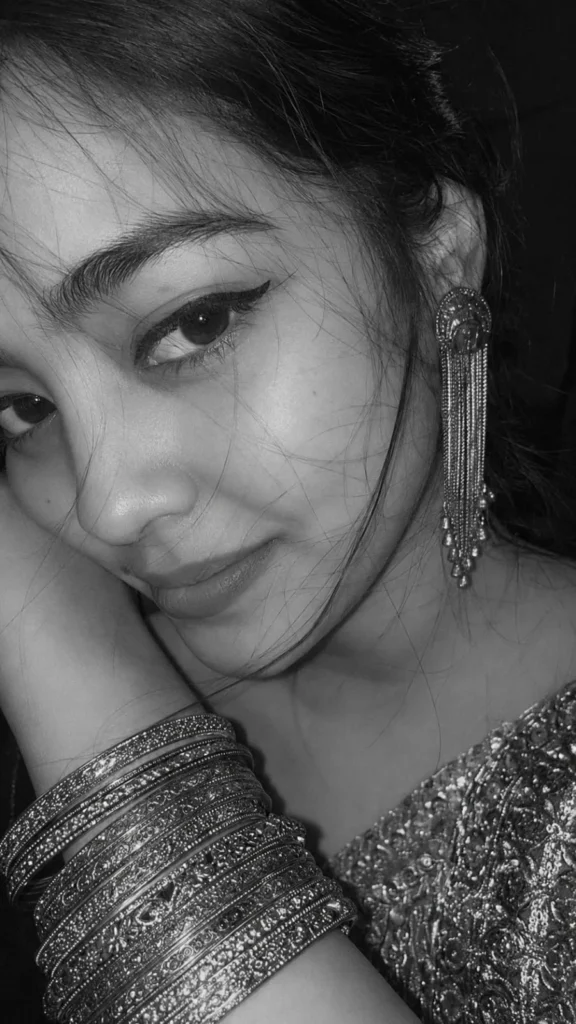
The face takes up almost the entire photograph. One arm rests naturally near the face, traditional bangles fill the lower part of the frame, and a long statement earring adds detail on the other side.
Then comes the black-and-white treatment.
Without bright colors competing for attention, your eyes immediately notice the expression, eyeliner, hair, jewelry, and natural skin texture. That's what gives this portrait its vintage charm.
It's All About the Close-Up Camera Angle
For this trend, don't ask AI for a normal waist-up portrait.
The camera needs to come very close to the face. Part of the head, shoulder, and outfit can even fall outside the frame. That slightly imperfect crop makes the photograph feel more personal.
The face should also be tilted gently rather than looking perfectly straight into the camera.
A calm expression with the eyes looking toward the lens works much better than a big posed smile.
Traditional Jewelry Completes the Look
You don't need dozens of accessories for this style, but the ones you use should be noticeable.
A stack of detailed traditional bangles on the wrist immediately gives the portrait a desi feel. Pair them with a long statement jhumka or chandelier-style earring and an embroidered traditional outfit.
Since the final image is monochrome, the texture and detailing of the jewelry become more important than their original colors.
How to Create This Portrait Using ChatGPT
Start with a clear photo where your face is properly visible. Upload it to ChatGPT and ask AI to recreate the photograph using the close-up composition described below.
You don't need to wear the exact jewelry or outfit in your original photo if you want AI to create the complete look. However, a clear reference image usually gives it better information about your facial appearance.
Black and White Desi Girl AI Photo Prompt
Don't Smooth the Skin Too Much
This is important for this particular look.
Black-and-white close-ups show facial details very clearly. If AI removes every pore and tiny skin variation, the face can quickly start looking artificial.
Ask for natural skin texture, fine facial hair, realistic highlights, and only minimal retouching. Small imperfections actually help the photograph.
The same applies to the loose hair. Don't make every strand perfectly arranged. A few strands crossing the face add character.
Flash Photography Works Better Here
Soft studio lighting would create a completely different result.
This portrait benefits from direct camera flash because it produces strong highlights on the face and makes metallic bangles and earrings stand out against the dark background.
You can also ask for a little photographic grain if you want an even more nostalgic feel.
Try It With Different Traditional Looks
The basic composition doesn't have to change every time.
You can create a bridal version with heavier jewelry, a simple saree version with jhumkas, or a festive lehenga portrait with embroidered sleeves. You could even remove most of the jewelry for a more minimal black-and-white portrait.
Just keep the close framing, natural hair, direct flash, and monochrome treatment consistent.
Where Does This Photo Look Best?
Because the portrait is vertical and tightly framed, it works particularly well as an Instagram Story, WhatsApp DP, Pinterest portrait, or Instagram post.
It can also fit nicely into a wedding photo dump alongside colorful pictures. A single monochrome close-up between colorful photographs can make the whole post feel more interesting.
Final Words
The Black and White Desi Girl AI Photo trend doesn't depend on a fancy background or complicated pose. Its beauty comes from small details—the eyes, loose hair, traditional bangles, statement earrings, and raw flash photography.
If you're tired of overly cinematic AI portraits, try keeping things simpler. One close-up frame and good black-and-white photography can sometimes create a much stronger image than an elaborate setup.
Frequently Asked Questions (FAQ)
What is the Black and White Desi Girl AI Photo trend?
It's a close-up AI portrait style that combines monochrome photography with traditional Indian jewelry, natural hair, expressive eyes, and direct flash lighting.
Can I create this portrait from a normal selfie?
Yes. A clear selfie can work as your reference. The AI prompt can recreate the close-up composition, traditional jewelry, outfit details, and monochrome photography style.
Why is black and white used instead of color?
Removing color puts more attention on facial expressions, lighting, skin texture, jewelry details, and contrast. It also gives the photograph a timeless feel.
Which jewelry works best for this look?
Traditional bangles paired with long jhumkas or statement earrings work especially well because their textures remain visible even after converting the image to black and white.
Should the face be perfectly smooth?
No. Natural pores and subtle skin texture help make an extreme close-up portrait look more believable.
Can I create this using Google Gemini?
Yes. You can try the same prompt with supported Gemini image-generation or editing features and adjust the lighting or composition if necessary.
What aspect ratio should I choose?
9:16 vertical works nicely for Stories and WhatsApp Status. You can also use 4:5 if you're creating the image mainly for an Instagram feed post.







Leave a Reply